
Heart-Healthy Cooking Methods
Discover evidence-based cooking techniques that preserve nutrients and support cardiovascular wellness. Learn from our comprehensive guide to preparing meals that nourish your heart.
The information on this site is for educational purposes only and does not constitute medical advice. Always consult a qualified healthcare professional before making health decisions.
Core Cooking Methods
Proven techniques for optimal nutrient retention
Recipe Guides
Detailed instructions for heart-conscious cooking
Educational Articles
In-depth exploration of cooking science
Content Access
Browse resources anytime, anywhere
Why Cooking Methods Matter for Heart Health
The way you prepare food significantly impacts its nutritional profile and health benefits. High-heat cooking methods can damage delicate nutrients and create harmful compounds, while gentle techniques preserve vitamins, minerals, and beneficial plant compounds.
Understanding proper cooking temperatures, timing, and techniques allows you to create meals that support cardiovascular wellness. From steaming to slow cooking, each method offers unique advantages for maintaining nutrient density while developing delicious flavors.
Our comprehensive guides help you master these techniques, transforming your kitchen into a wellness-focused space where every meal contributes positively to your health journey.
Six Essential Heart-Healthy Cooking Methods
Steaming
Gentle heat and moisture preserve vitamins and minerals while eliminating the need for added fats. Ideal for vegetables, fish, and delicate proteins. Steaming maintains color, texture, and nutritional integrity.
Learn morePoaching
Cooking in gentle simmering liquid infuses flavor without added oils or seasonings. Perfect for chicken breast, fish fillets, and eggs. This method keeps proteins tender and moist while maintaining nutritional value.
Learn moreSlow Cooking
Low temperatures over extended periods break down connective tissues while preserving nutrients. Ideal for lean cuts of meat, legumes, and root vegetables. Creates rich flavors naturally without excess seasoning.
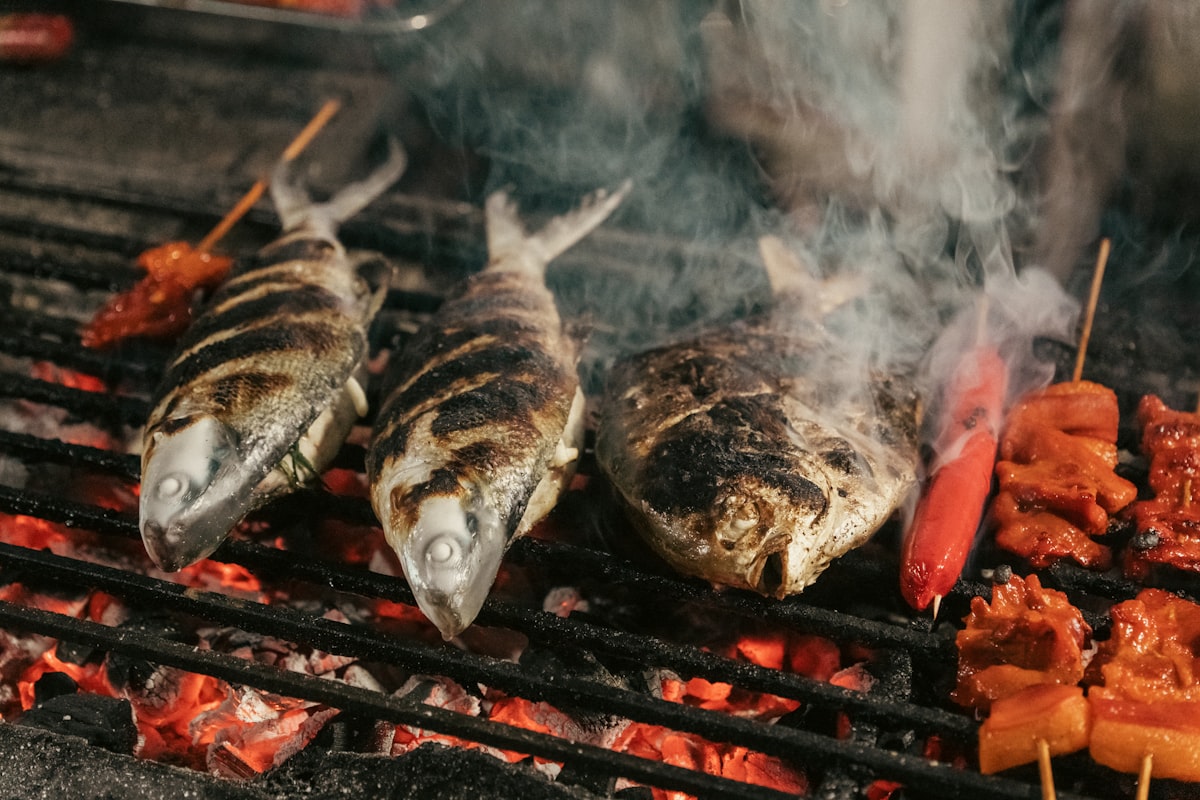
Learn moreGrilling
High-heat cooking that adds flavor while allowing excess fats to drip away. Use moderate temperatures and avoid charring to prevent harmful compound formation. Excellent for vegetables, lean proteins, and whole grains.
Learn moreBaking
Dry heat cooking at controlled temperatures ideal for whole grains, vegetables, and lean proteins. Encasing food in parchment or foil creates a steaming effect that retains moisture and nutrients naturally.
Learn moreStir-Frying
Quick cooking at high heat with minimal oil preserves nutrients through rapid preparation. Use heart-healthy oils and keep heat moderate to avoid smoke points. Perfect for vibrant vegetables and lean proteins.
Learn moreWhat You'll Discover in Our Content
In-Depth Cooking Guides
Step-by-step articles explaining proper techniques, optimal temperature ranges, timing guidelines, and common mistakes to avoid. Each guide includes practical tips you can implement immediately in your kitchen.
Nutritional Science Explained
Understand how different cooking methods affect nutrient retention, bioavailability, and food composition. Learn which techniques best preserve vitamins, minerals, and beneficial plant compounds for maximum health benefits.
Detailed Recipe Instructions
Over 100 recipes demonstrating healthy cooking techniques across various cuisines. Each recipe includes ingredient measurements, cooking times, temperature guidelines, and nutritional considerations for heart-conscious meal planning.
Equipment & Tool Reviews
Recommendations for kitchen equipment that supports healthy cooking methods. Learn which tools are worth investing in and how to use them properly to maximize nutrient retention and cooking efficiency.
Seasonal & Ingredient Guides
Explore which foods are best suited to specific cooking methods based on seasonal availability and nutritional profiles. Learn how to select quality ingredients and prepare them optimally for heart-healthy meals.
Meal Planning Strategies
Learn how to structure weekly meal plans using heart-healthy cooking methods. Understand grocery shopping strategies, meal prep techniques, and timing coordination to simplify your cooking process.
Cooking Methods Comparison
| Method | Temperature Range | Nutrient Retention | Best For | Difficulty Level |
|---|---|---|---|---|
| Steaming | 160-180°C (320-356°F) | Excellent | Vegetables, fish, seafood | Easy |
| Poaching | 70-85°C (160-185°F) | Excellent | Proteins, eggs, fruits | Easy |
| Slow Cooking | 65-95°C (150-200°F) | Very Good | Lean meats, legumes, stews | Very Easy |
| Grilling | 175-230°C (350-450°F) | Good | Vegetables, proteins, grains | Moderate |
| Baking | 160-200°C (320-390°F) | Good | Vegetables, proteins, grains | Easy |
| Stir-Frying | 150-200°C (300-390°F) | Good | Vegetables, quick-cooking proteins | Moderate |
Frequently Asked Questions
Which cooking method best preserves nutrients?
Steaming and poaching are superior for nutrient retention because they use low to moderate heat without exposing food to high temperatures or prolonged cooking times. These methods prevent water-soluble vitamins from leaching into cooking liquid and maintain the structural integrity of heat-sensitive nutrients. Short cooking times in gentle methods mean minimal nutrient degradation.
Is grilling healthy if done properly?
Yes, grilling can be very healthy when you maintain moderate temperatures and avoid charring food. Keep flames below food level, use lower temperature zones, and don't let food sit directly over intense heat. This approach allows excess fats to drip away while minimizing formation of potentially harmful compounds. Marinating before grilling provides additional protection.
How long should I cook different foods using each method?
Timing varies significantly by food type and size. Vegetables typically steam in 5-10 minutes, while proteins need 15-20 minutes. Our detailed recipe guides provide specific timing for each ingredient type. Generally, shorter cooking times preserve more nutrients, so focus on achieving proper doneness as quickly as possible without undercooking.
Can I use these methods for meal preparation?
Absolutely. Slow cooking and baking are particularly suited to batch cooking and meal prep. Steamed vegetables and poached proteins store well in the refrigerator for several days. Our meal planning strategies section explains how to coordinate multiple cooking methods to prepare ingredients efficiently throughout the week.
What oil should I use for stir-frying and high-heat cooking?
Choose oils with high smoke points like avocado oil (520°F/270°C), refined coconut oil (450°F/232°C), or light olive oil (465°F/240°C). These oils remain stable at higher temperatures without breaking down into harmful compounds. Our equipment guides provide detailed recommendations for selecting quality oils suited to your cooking style.
How do I know when food is properly cooked without a thermometer?
Visual and tactile indicators vary by food type. Fish flakes easily and becomes opaque, poultry juices run clear, and vegetables become tender but still slightly firm. Our cooking guides include detailed doneness tests for each food type. However, meat thermometers ensure accuracy and are highly recommended for consistent, safe results.
How Readers Are Transforming Their Cooking
"
I never understood how cooking methods affected nutrition until I read through these detailed guides. Learning about steaming and poaching completely changed my approach to meal preparation. My family has noticed the difference in how our food tastes and how we feel after eating. This resource is invaluable for anyone serious about heart-healthy cooking.
— Elena Moldovan, Brașov
"
The recipe guides are so detailed and easy to follow. I've tried steaming and slow-cooking methods I never considered before. The nutrient retention information helps me understand why these techniques matter beyond just taste.
Andrei Popescu
Romania
"
I appreciate how Radiant Health Meals explains the science behind food pairing. The recipes aren't just tasty—they're designed to help my body absorb nutrients better. That's the kind of thoughtful nutrition I was looking for.
Elena Martinez
Spain
"
The cooking method guides have transformed how I prepare meals. I never realized that the way you cook vegetables affects their nutritional value so much. Now I choose methods based on which nutrients I want to maximize.
Sophie Leclerc
France
Frequently Asked Questions
How do cooking methods affect nutrient retention?
Can I customize recipes based on my dietary preferences?
How often are new recipes and guides added?
What if I don't have all the recommended cooking equipment?
Are there any science sources for the nutrition claims?
Master Nutrient-Rich Cooking Today
Join thousands who've transformed their kitchens into nutrition labs. Access proven recipes, science-backed guides, and expert techniques designed to maximize every nutrient.
No credit card required • 7-day free trial • Cancel anytime